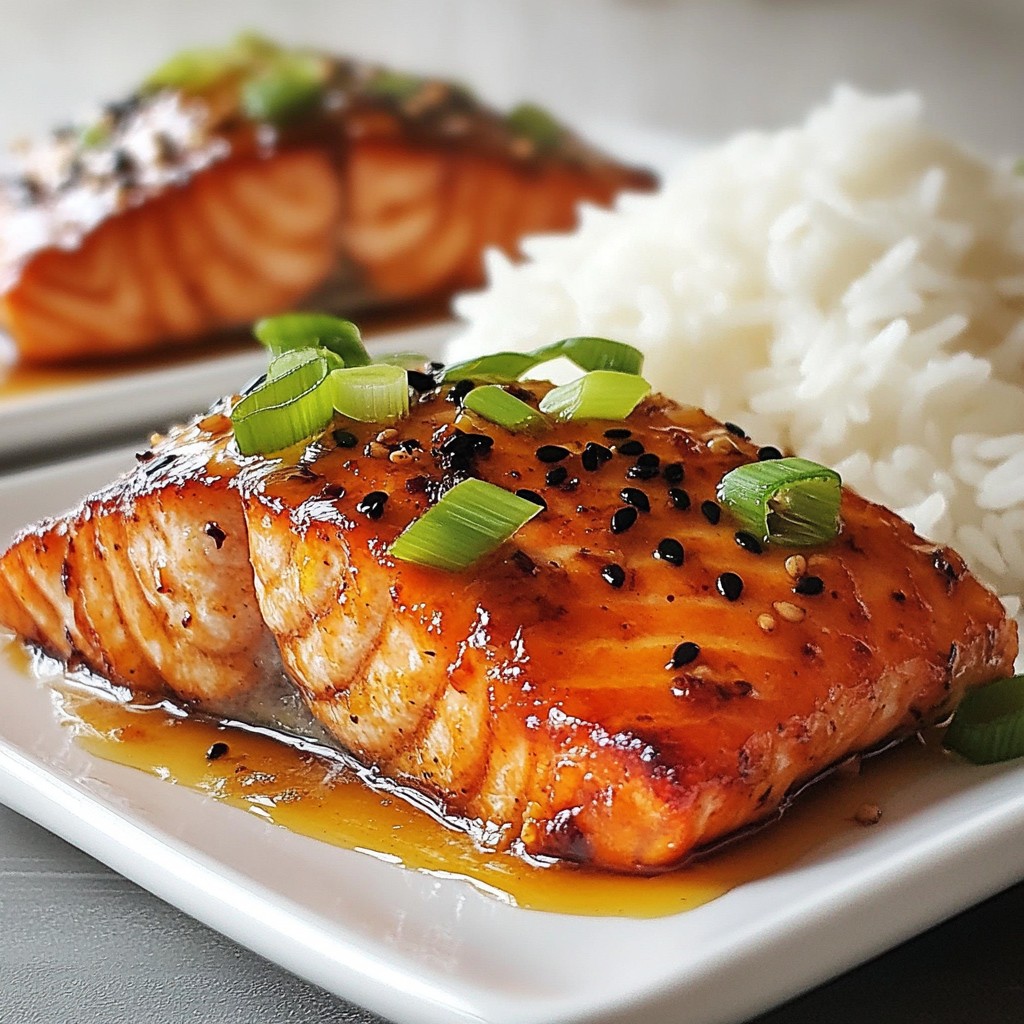
Craving a quick, tasty dish? Look no further than Honey Soy Salmon Fillets! This easy recipe packs a flavor punch and can be ready in minutes. I’ll walk you through the simple steps to create a delicious meal, perfect for busy nights. You’ll also find tips, variations, and storage tips to make the most of your dish. Let’s dive into cooking something special without the fuss!
Why I Love This Recipe
- Quick and Easy: This recipe allows you to prepare a delicious meal in just 30 minutes, making it perfect for busy weeknights.
- Flavorful Marinade: The combination of honey and soy sauce creates a sweet and savory marinade that enhances the natural flavors of the salmon.
- Healthy Option: Salmon is packed with omega-3 fatty acids, making this dish a nutritious choice for your meals.
- Versatile Serving: Pair the salmon with steamed rice or sautéed vegetables for a complete and satisfying meal that suits any palate.
Ingredients
List of Required Ingredients
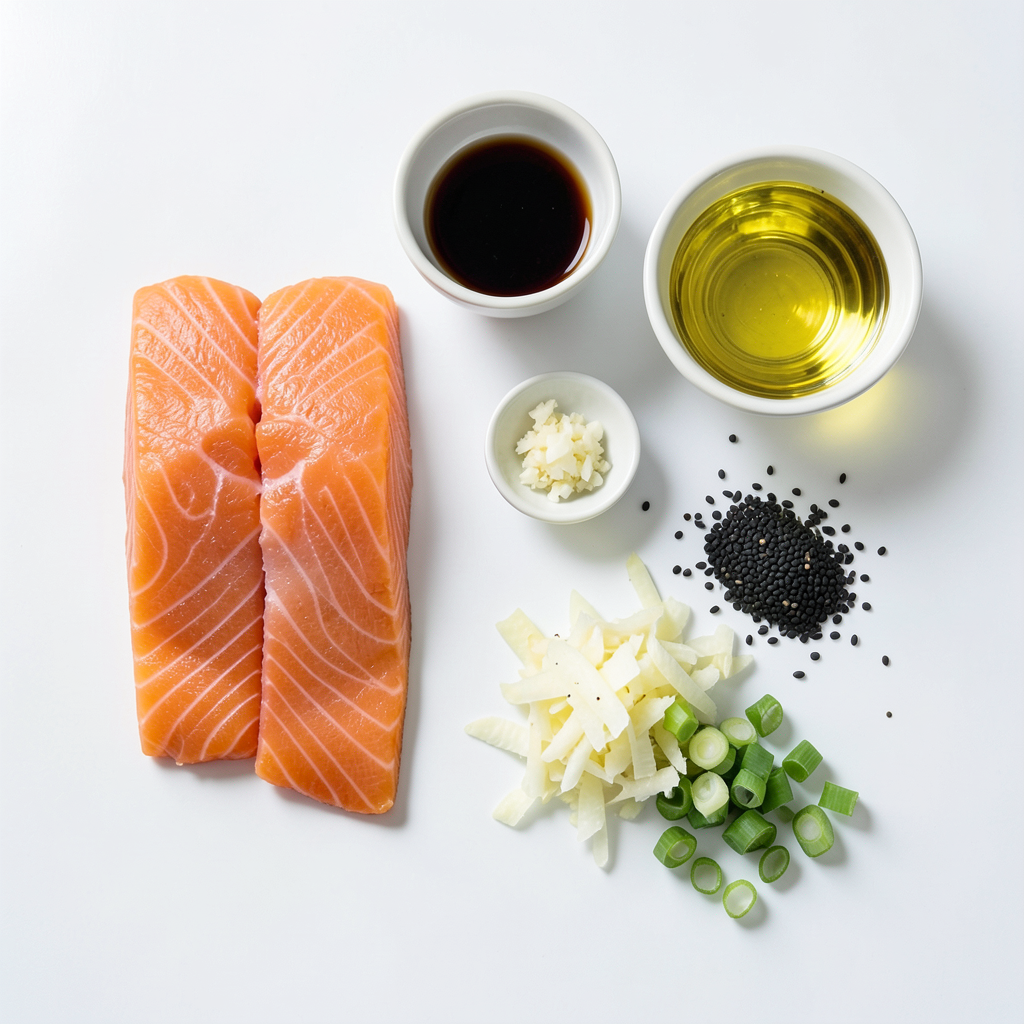
To make fast cooking honey soy salmon fillets, gather these ingredients:
- 4 salmon fillets (6 oz each)
- 1/4 cup honey
- 1/4 cup soy sauce (low-sodium preferred)
- 2 cloves garlic, minced
- 1 tablespoon fresh ginger, grated
- 1 tablespoon olive oil
- 1 teaspoon sesame oil
- 1 teaspoon black sesame seeds (optional for garnish)
- Green onions, chopped (for garnish)
Suggested Brand of Ingredients
When choosing soy sauce, I recommend Kikkoman or San-J. They offer great flavor. For honey, use local brands or Manuka honey for a richer taste. Fresh ginger is best, so look for a firm piece without any black spots. It adds a nice kick!
Fresh vs. Packaged Ingredients
Fresh ingredients always make a difference. Fresh garlic and ginger give your dish a bright flavor. If you don’t have fresh ginger, you can use ground ginger, but it won’t taste as good. Packaged honey works fine, but fresh honey adds a special touch. Always choose fresh over packaged when you can!
Step-by-Step Instructions
Preparing the Marinade
To start, you need to make the marinade. Grab a bowl and whisk together these ingredients:
- 1/4 cup honey
- 1/4 cup soy sauce (low-sodium is best)
- 2 cloves garlic, minced
- 1 tablespoon fresh ginger, grated
- 1 tablespoon olive oil
- 1 teaspoon sesame oil
Mix well until it looks smooth and shiny. This mix adds a sweet and salty taste to your salmon. The garlic and ginger will give it a nice kick!
Marinating the Salmon Fillets
Next, take your salmon fillets. Place them in a shallow dish. Pour the marinade over the fillets, making sure they are fully coated. Let them soak for at least 15 minutes. If you have more time, let them marinate for up to 30 minutes. This helps the flavors soak into the fish, making it taste even better.
Cooking Process (Skillet Instructions)
Now it's time to cook! Preheat your skillet over medium-high heat. Once it’s hot, add the salmon fillets skin-side down. Sear the fillets for about 4 minutes. You want the skin to get nice and crispy. The salmon should lift easily from the pan when it’s ready.
Carefully flip the fillets over. Pour the rest of the marinade over the top. Cook for another 3-4 minutes. You’ll know it’s done when the salmon flakes easily with a fork.
When it’s finished, remove the salmon from the heat. Let it rest for a couple of minutes. Finish with black sesame seeds and chopped green onions for a pop of color. Now, you’re ready to serve it! Enjoy!
Tips & Tricks
Achieving the Perfect Sear
To get a great sear, start with a hot pan. Use medium-high heat for best results. Add olive oil and let it heat up. Place the salmon skin-side down. This helps crisp the skin. Cook for about four minutes without moving it. Once the skin is crispy, it will lift easily from the pan. Flip it gently to keep it intact.
Flavor Enhancements
You can boost the flavor of your salmon easily. Try adding citrus juice like lemon or lime to the marinade. This adds a fresh taste and brightens up the dish. You can also add a pinch of red pepper flakes for heat. If you like herbs, fresh cilantro or parsley can add a nice touch.
Tools for Easier Cooking
Having the right tools makes cooking simpler. A non-stick skillet works well for this recipe. It helps prevent sticking and makes flipping easier. A good whisk is key for mixing the marinade well. Use a spatula to flip the salmon gently. Consider a meat thermometer to check for doneness. The salmon should reach 145°F to be fully cooked.
Pro Tips
- Marinate Longer for Flavor: For a deeper flavor, allow the salmon to marinate for up to 30 minutes instead of the minimum 15 minutes.
- Use a Hot Skillet: Ensure your skillet is hot before adding the salmon; this helps achieve a crispy skin and prevents sticking.
- Check for Doneness: Salmon is perfectly cooked when it flakes easily with a fork and has an internal temperature of 145°F (63°C).
- Serve with Fresh Accompaniments: Enhance the dish by serving the salmon with fresh green onions and sesame seeds for added texture and flavor.
Variations
Alternative Marinade Ingredients
You can switch up the marinade for fun flavors. Try adding a bit of orange juice or lime juice for a citrus twist. For some heat, mix in a dash of chili flakes or sriracha. You can also use maple syrup instead of honey for a different sweet note. If you want a deeper flavor, add a splash of rice vinegar. Each change brings a new taste to your salmon.
Cooking Methods (grilling, broiling)
Grilling adds a nice smoky flavor. Preheat your grill and oil the grates well. Cook the salmon fillets skin-side down for about 4-6 minutes. Flip and grill for another 3-4 minutes. Broiling is another quick method. Set your oven rack near the top and preheat the broiler. Place the salmon on a baking sheet and broil for 6-8 minutes. Both methods give you tasty, juicy salmon with a crispy edge.
Serving Suggestions for Different Occasions
For a casual dinner, serve the salmon over steamed rice with sautéed veggies. For special occasions, plate it with garlic mashed potatoes and a side salad. If you have friends over, serve it with grilled corn and a fresh salsa. You can even make it part of a sushi night with sushi rice and seaweed wraps. Each option makes the dish shine for any gathering.
Storage Info
How to Store Leftovers
To store leftover honey soy salmon, first let it cool. Place the salmon in an airtight container. Make sure to cover it well. You can keep it in the fridge for up to three days. This way, the flavors stay fresh. If you have extra marinade, store it separately. This helps keep the fish from getting soggy.
Reheating Instructions
When you are ready to eat the leftovers, reheat them gently. Use a skillet over low heat. Add a splash of water or broth to keep it moist. Cover the skillet to trap the steam. Heat for about five minutes. You can also use a microwave. Place the salmon on a plate and cover it with a damp paper towel. Heat in short bursts of 30 seconds until warm.
Freezing Guidelines
You can freeze honey soy salmon for longer storage. Wrap each fillet tightly in plastic wrap. Place them in a freezer-safe bag or container. Be sure to remove as much air as possible. Frozen salmon can last up to three months. When you want to use it, thaw it in the fridge overnight. This keeps the texture nice and firm.
FAQs
How do I know when salmon is fully cooked?
You can tell when salmon is fully cooked by checking its color. The flesh should turn from a bright pink to a lighter shade. It should also flake easily with a fork. For safety, the internal temperature should reach 145°F. Use a meat thermometer if you're unsure.
Can I use other types of fish for this recipe?
Yes, you can use other types of fish. Try using trout or tilapia. Both have a mild flavor that works well with the honey soy sauce. Just adjust the cooking time, as thinner fillets may cook faster.
What side dishes pair well with honey soy salmon?
Honey soy salmon pairs well with steamed rice or quinoa. You can also serve it with sautéed vegetables. Broccoli, snap peas, or bell peppers make great choices. A simple salad with a light dressing complements the meal nicely as well.
In this blog post, we explored how to make honey soy salmon. We covered the ingredients needed, brand suggestions, and the benefits of fresh versus packaged options. You learned step-by-step instructions for marinade, cooking, and tips for perfecting your dish. We also discussed variations and how to store leftovers properly.
In my view, this recipe is both simple and delicious. It opens the door to many tasty meals. Now, get cooking and enjoy your honey soy salmon!