

Are you craving a quick, tasty meal? Look no further! My Cheese & Herb Omelette takes just 15 minutes to make and will leave you feeling satisfied. This fluffy dish is packed with protein and flavor, making it perfect for breakfast or a light lunch. Follow my easy steps, and you'll impress everyone at the table. Ready to whip up the perfect omelette? Let’s dive in!
Why I Love This Recipe
- Quick and Easy: This omelette can be whipped up in just 15 minutes, making it perfect for busy mornings or a quick lunch.
- Customizable: Add your favorite vegetables or switch up the cheese for different flavors each time you make it.
- Healthy and Delicious: With fresh herbs and protein-packed eggs, this dish is both nutritious and satisfying.
- Perfect for Any Meal: This cheesy herb omelette is great for breakfast, brunch, or even a light dinner.
Ingredients
Main Ingredients
- 3 large eggs
- 2 tablespoons milk
- 1/4 cup shredded cheese (cheddar, mozzarella, or a mix)
- 1 tablespoon fresh parsley, chopped
- 1 tablespoon fresh chives, chopped
- Salt and pepper to taste
- 1 tablespoon butter or olive oil
Optional Add-ins
- Diced tomatoes
- Diced bell peppers
Serving Suggestions
- Whole-grain toast
- Side salad
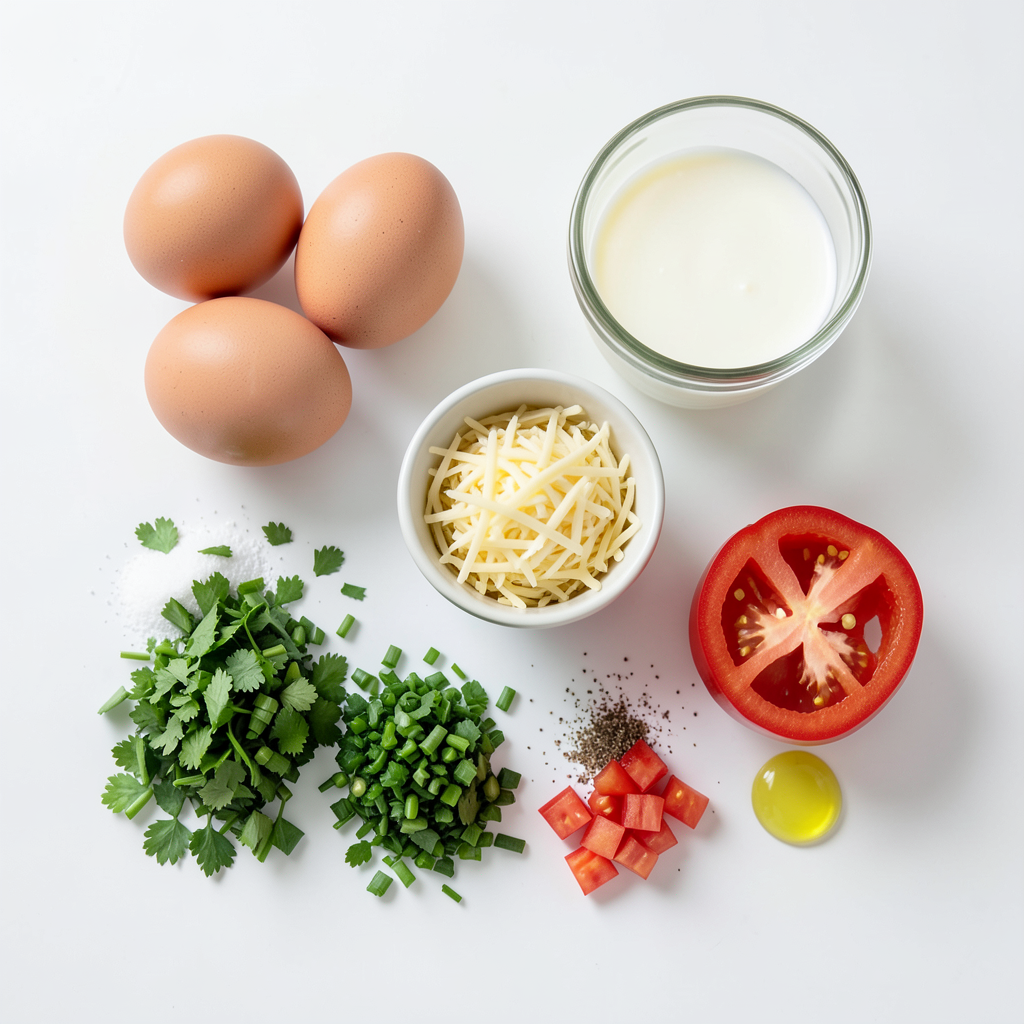
To make the best cheese and herb omelette, you need just a few items. First, gather the main ingredients. You need large eggs, milk, and shredded cheese. I love to use cheddar or mozzarella, but you can mix them. Fresh parsley and chives add great flavor to the dish. Add salt and pepper to make it pop. Lastly, use butter or olive oil to cook the omelette.
You might want to add some extra flavor. Diced tomatoes or bell peppers work well. They add color and taste.
For serving, whole-grain toast is a great choice. It adds crunch and fiber. A side salad makes the meal fresh and bright. Enjoy this simple yet delicious meal any time of the day!
Step-by-Step Instructions
Preparation Process
1. Whisking the eggs and milk: Start by cracking three large eggs into a medium bowl. Add two tablespoons of milk. Use a whisk to mix them well. You want the mixture to be frothy. This step adds air to the eggs, making the omelette fluffy.
2. Mixing in herbs and seasonings: Next, chop one tablespoon of fresh parsley and one tablespoon of fresh chives. Add these herbs to the egg mixture. Sprinkle in salt and pepper to taste. Stir everything until the herbs blend in well. This adds a bright flavor to your omelette.
Cooking the Omelette
1. Heating the skillet with fat: Heat a non-stick skillet over medium heat. Add one tablespoon of butter or olive oil. Let it melt and coat the pan. This helps prevent sticking and gives a nice flavor.
2. Pouring and spreading the egg mixture: Pour the egg mixture into the skillet. Tilt the pan gently to spread the eggs evenly. Let it cook for about 1-2 minutes. Watch for the edges to start setting. This is a key step for a perfect omelette texture.
Finishing Touches
1. Adding cheese and optional veggies: Once the edges set, sprinkle 1/4 cup of shredded cheese over the omelette. You can use cheddar, mozzarella, or a mix. If you like, add diced tomatoes or bell peppers for extra flavor.
2. Folding and plating the omelette: When the omelette is mostly set but still a bit runny, gently fold it in half with a spatula. Cook for another minute to melt the cheese fully. Finally, slide the omelette onto a plate. You can fold it again for a nice look. Garnish with fresh herbs if you wish. Enjoy your delicious cheese and herb omelette!
Tips & Tricks
Achieving Fluffiness
To make a light and fluffy omelette, whisking the eggs is key. You want to beat the eggs and milk until they are frothy. This adds air to the mix, helping the omelette rise while cooking.
The right cooking temperature matters, too. Heat your skillet over medium heat. Too high will burn the eggs, and too low will make them dense.
Flavor Enhancement
Using fresh herbs makes a big difference in taste. I love adding parsley and chives. Their bright flavors make the omelette pop. You can try other herbs too, like basil or dill, for a new twist.
Choosing the right cheese also boosts the flavor. I recommend cheddar or mozzarella. They melt well and add creaminess. Mixing different cheeses can create a unique taste.
Presentation Ideas
A beautiful omelette deserves a nice presentation. Garnish with extra fresh herbs on top. You can also add diced tomatoes or bell peppers for color.
For plating, slide the omelette onto a plate carefully. You can fold it for a neat look. Serve with whole-grain toast or a light salad for a complete meal.
Pro Tips
- Use Fresh Herbs: Fresh herbs like parsley and chives elevate the flavor of your omelette. Make sure to chop them finely for even distribution.
- Perfect Cooking Temperature: Cooking on medium heat prevents the eggs from burning while ensuring the cheese melts perfectly. Adjust the heat as needed.
- Don’t Overcook: Remove the omelette from the heat while it’s still slightly runny in the center; it will finish cooking off the heat, resulting in a fluffy texture.
- Customize Your Fillings: Feel free to add your favorite vegetables or proteins to the omelette. Just sauté them briefly before adding the egg mixture for the best results.
Variations
Cheese Variations
You can mix different cheese types for your omelette. I love using a blend of cheddar and mozzarella. This mix gives it a great flavor and a nice melt. You can also try flavored cheeses like pepper jack or feta. These cheeses add a punch and make your omelette unique.
Herb Combinations
Switching up the herbs can change your omelette's taste. Basil and dill are two great options. Fresh basil adds a sweet, peppery taste, while dill gives a fresh, grassy flavor. You can use dried herbs too. Just remember, dried herbs are stronger, so use less.
Veggie Add-ons
Adding veggies brings more life to your omelette. Spinach, mushrooms, and onions are classic choices. They cook down and blend well with the eggs. You can also use seasonal vegetables like zucchini in the summer or roasted pumpkin in the fall. These add color, taste, and nutrition to your meal.
Storage Info
Leftover Storage
To keep your omelette fresh, place it in a shallow dish. Cover it tightly with plastic wrap or aluminum foil. You want to keep air out to prevent it from drying. The omelette stays good in the fridge for about 2-3 days. If you wait longer, it may lose its taste and texture.
Reheating Tips
To reheat your omelette, use a non-stick skillet. Heat it on low to medium heat. This way, it warms up without becoming rubbery. You can also use the microwave, but place a damp paper towel over it. This helps keep moisture in. After reheating, try serving it with a fresh side salad or whole-grain toast for a balanced meal.
Freezing & Thawing
Yes, you can freeze omelettes. However, it's best to do this before adding cheese or veggies. Wrap it well in plastic wrap, then place it in an airtight container. This keeps out air and moisture. When you're ready to eat, thaw it in the fridge overnight. Reheat it in a skillet or microwave as mentioned above. Enjoy your omelette even when it's frozen!
FAQs
How to make a perfect omelette?
To make a perfect omelette, start with fresh eggs. Use three large eggs for the ideal size. Add two tablespoons of milk to make it fluffy. Whisk until the mix is frothy, which adds air. This is key for fluffiness.
Use a non-stick skillet for easy cooking. Heat it on medium heat and add one tablespoon of butter or olive oil. This helps prevent sticking and gives flavor. Pour in the egg mix. Tilt the skillet to spread the eggs evenly. Watch them closely. Cook for one to two minutes until the edges set.
To enhance the texture, stir the eggs gently while they cook. This makes them fluffy and light.
Can we customize the cheese and herbs?
Absolutely! You can customize your omelette with different cheeses and herbs. For cheese, try cheddar, mozzarella, or a mix. Each cheese adds a unique flavor. You can also use flavored cheeses like pepper jack for a spicy kick.
For herbs, fresh parsley and chives work great, but feel free to experiment. Basil, dill, or even cilantro can add exciting flavors. You can mix and match to find your favorite combination.
How do I know when the omelette is done?
Look for a few signs to know when your omelette is perfect. First, the edges should be set and not runny. The center should still look a bit creamy, but not liquid.
When you sprinkle cheese on top, it should melt quickly. If the omelette folds easily without breaking, it’s done. A light golden color on the outside is also a good sign. Enjoy your fluffy omelette!
In this blog post, I covered how to make a tasty omelette. We looked at the main ingredients, step-by-step instructions, and tips for the best outcome. You can also explore fun variations and learn how to store leftovers. Remember, fresh herbs and cheese can really boost flavor. Cooking is all about trying new things. Enjoy experimenting and making your omelette unique!